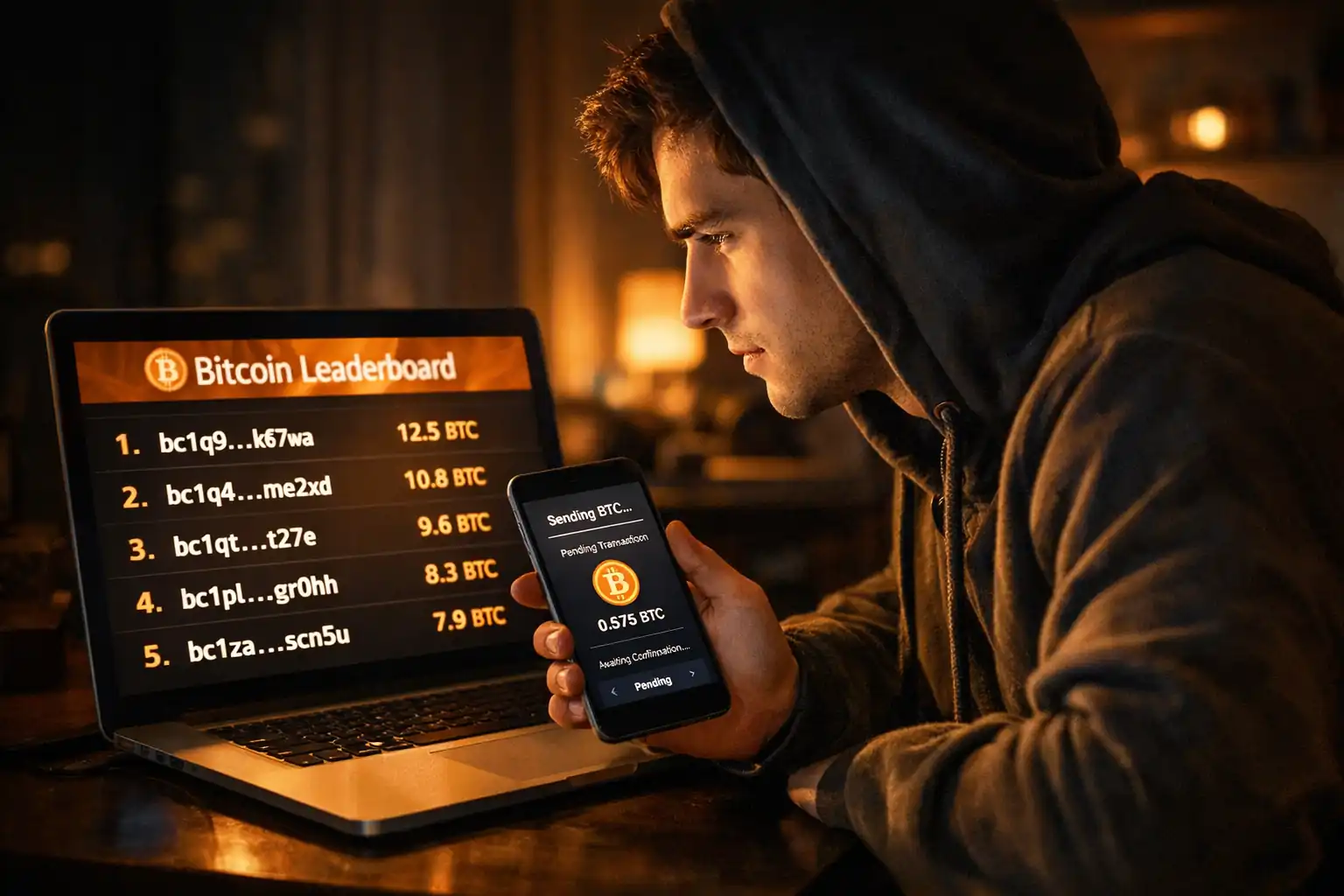
Bitok Arena is often described as a simple system: participants send BTC and compete for positions in a leaderboard. But anyone who watches the arena for a while quickly notices something interesting — the competition is not only about how much BTC is sent. It is also about when and how participants enter the arena. Timing and positioning play a crucial role in the dynamics of each round.
The Arena Is a Dynamic Environment
Every round of Bitok Arena lasts twenty-four hours. During this time, participants continuously enter the competition and the leaderboard evolves as new transactions appear on the blockchain. Some participants join early and establish their position from the beginning. Others observe the arena and decide to enter later.
Because the ranking updates in real time, the competition develops as a sequence of strategic moves between participants. Understanding these patterns can help approach the competition more thoughtfully.
Early Entry
One possible approach is entering the arena early in the round. Participants who enter early can establish an initial position in the leaderboard and become visible to others watching the competition. Early entries often influence how the round develops, because they set the first reference points for the ranking.
At the same time, entering early means remaining visible throughout the day as other participants decide whether they want to challenge that position. The early entrant accepts exposure in exchange for establishing presence from the start.
Observing the Arena
Another approach is patience. Some participants prefer to observe how the leaderboard develops before making a move. By watching the arena for a period of time, it becomes possible to understand the current dynamics of the round.
- See where the ranking positions currently stand and how competitive the field is
- Observe how frequently the leaderboard changes and which positions are stable
- Understand how competitors react to each other before committing
This information can help determine the moment when entering the competition makes the most sense.
Late Moves
Late entries often create the most dramatic moments in the arena. When the round approaches its final phase, participants can see the current state of the leaderboard and decide whether they want to challenge the existing positions. A single transaction near the end of the round can sometimes change the entire ranking.
Because of this, the final part of the competition often becomes the most active — and for those watching closely, the most revealing about how other participants think.
Positioning in the Leaderboard
Another important aspect of the competition is positioning. Participants typically aim to reach strong positions in the ranking without committing more BTC than necessary to secure their place. If a participant sends significantly more BTC than required for the current leaderboard position, that excess does not necessarily improve the strategic position.
On the other hand, sending too little may make the position easy to challenge. Finding the right balance between commitment and positioning is part of the arena dynamic — and it shifts as the round progresses and new participants enter.
The Growing Prize Pool
As the day progresses and more participants enter the arena, the prize pool grows. Each new transaction contributes to the overall pool created during the round. This changing environment means that the relative significance of any individual entry can evolve as the competition develops.
Participants therefore often watch how the arena progresses before deciding how they want to position themselves — balancing the risk of waiting against the benefit of having more information.
Reading the Arena
Bitok Arena is transparent by design. Every transaction that contributes to the competition is visible on the blockchain, and the leaderboard reflects these transactions in real time. Because of this transparency, participants can observe the arena and form their own understanding of the dynamics of each round.
Over time, patterns begin to emerge. Some rounds are calm and stable. Others become very active as participants compete for positions toward the end. Reading these patterns is itself a skill that develops with experience.
A Competition of Decisions
At first glance, Bitok Arena may appear to be only about transactions. But for many participants, the arena quickly becomes a competition of decisions: when to enter, how to position, how to react to other participants.
Every round is different, and every participant approaches the arena in their own way. A new competition begins every day.
Reading the arena is a skill that develops with rounds, not with preparation. Timing and positioning decisions — when to enter, how to react to what the leaderboard shows — become clearer the more rounds you have competed in. Open your self-custody wallet, send BTC to the Bitok Arena master wallet, and start developing that read in the round that is running right now.